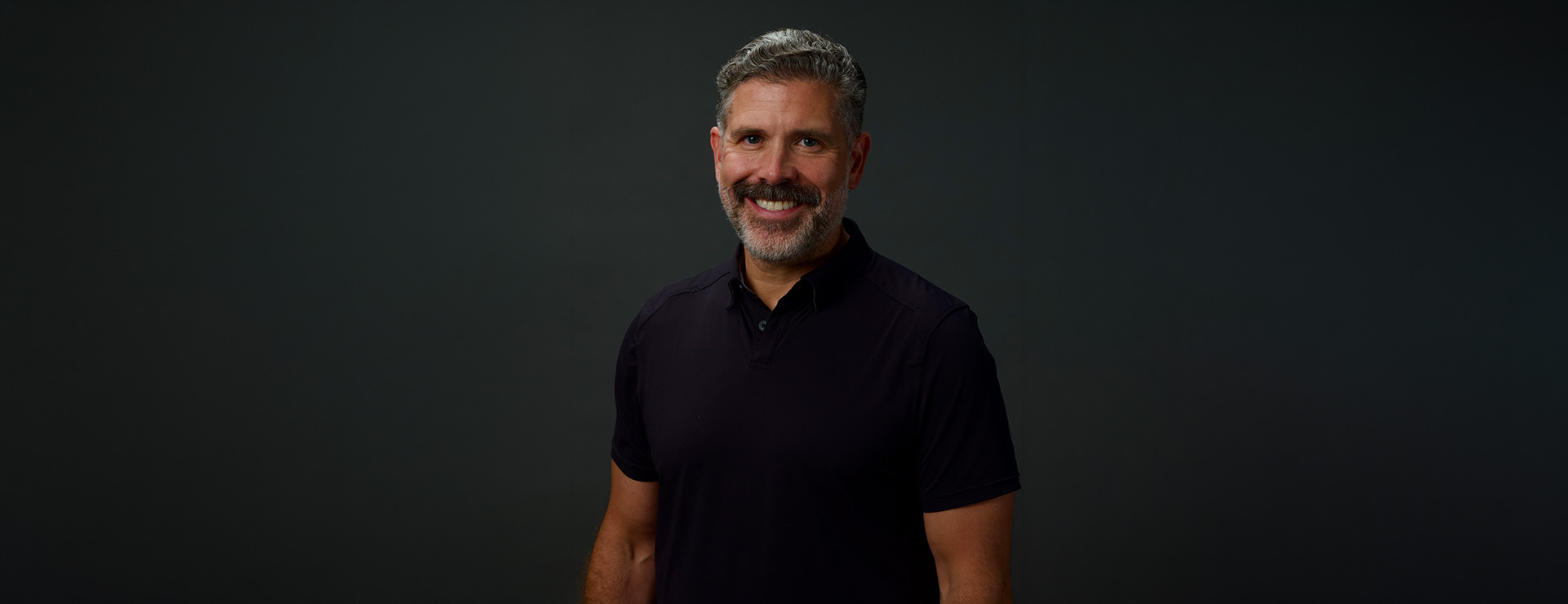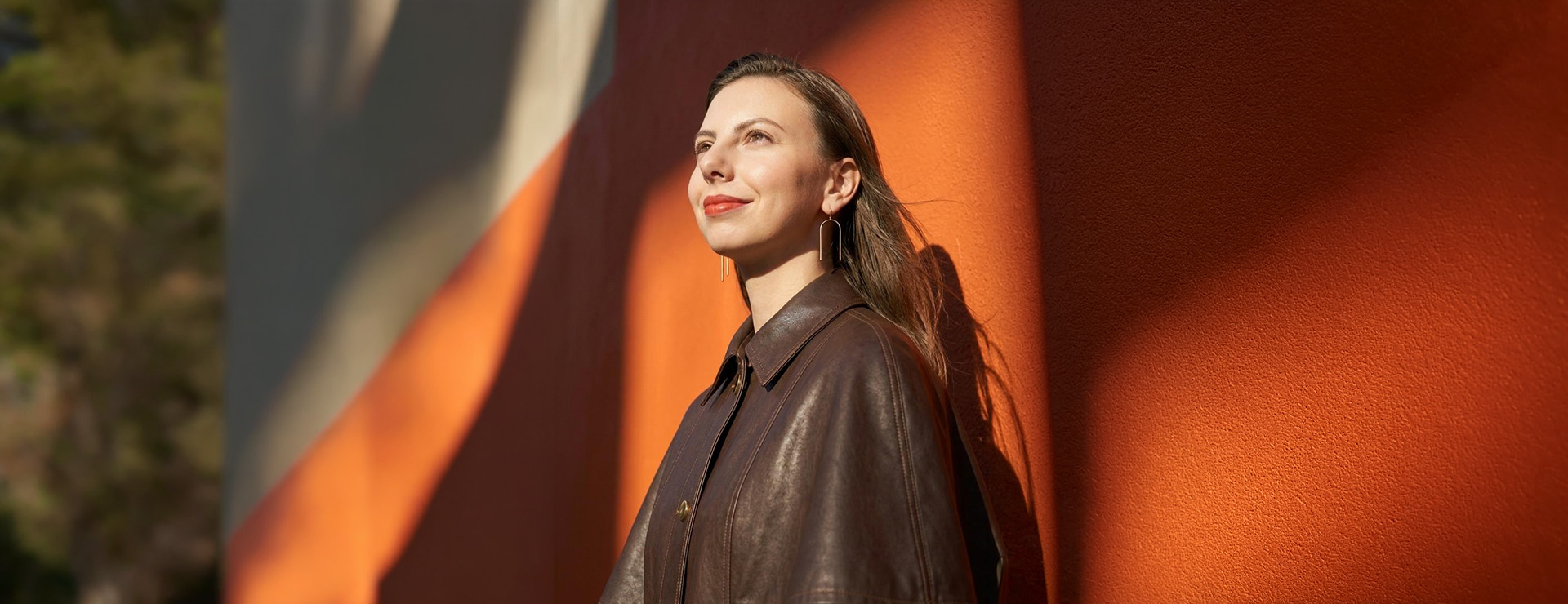

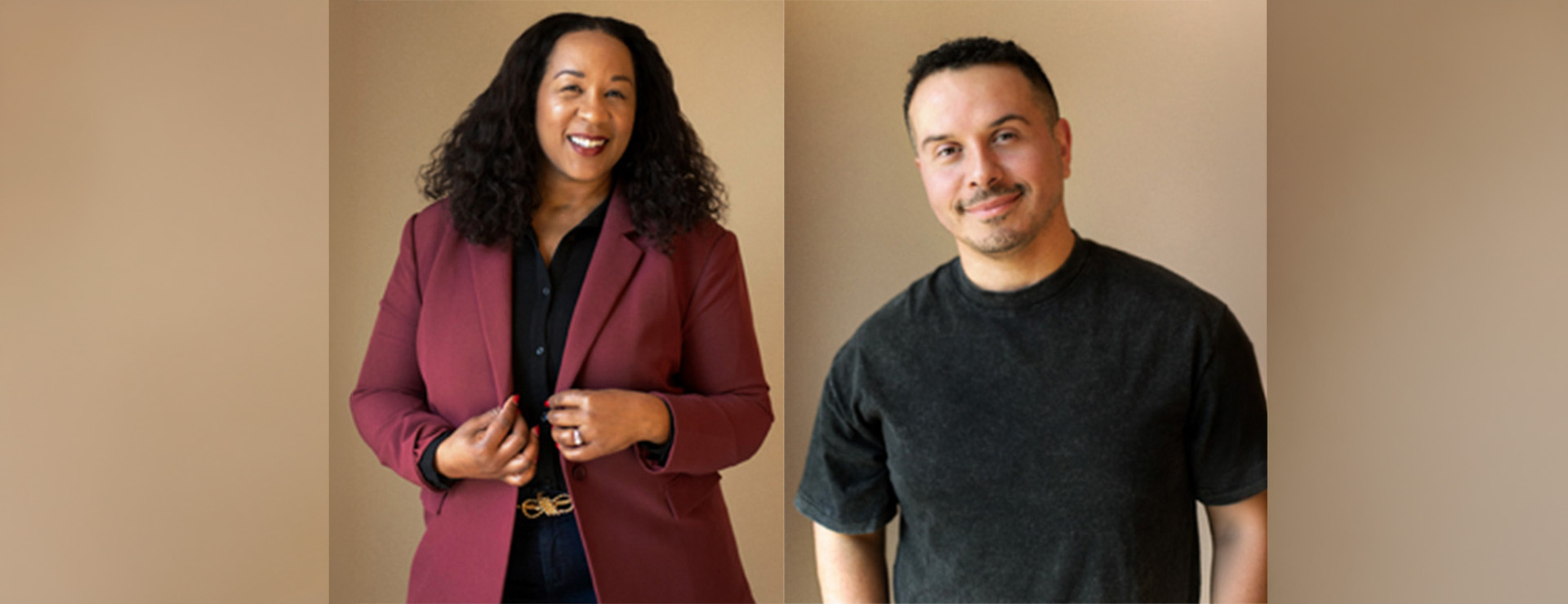
Erica Coates and Allan Gungormez are longtime partners, having worked together for six years at Mocean. They now have moved to Terry Hines and Associates, a network of creative agencies, which acquired MDRN Logic with Coates and Gungormez on board to lead the agency along with MDRN Logic founder Michael Bennett serving as chief growth officer.
In the past year or so, MDRN Logic has garnered notice from Ad Age and Adweek for its Power Rangers-themed Fortnite season launch campaign, won awards for its Door Dash campaign, and earned accolades for a short film produced with Imagine Entertainment for Gushers candy.
Coates and Gungormez joined Spotlight to discuss how they see the future of brand marketing at MDRN Logic
Spotlight: What is the expertise and unique selling point that you guys are offering, both you yourselves and MDRN Logic?
Gungormez: There are a lot of people right now that are focused on creating work that's relevant to audiences. We have developed an understanding of how to make work that goes beyond relevance and into resonance, work that has the ability to permeate throughout culture, work that doesn't simply exist on the feed or on the big screen, but also ends up being talked about in your DMs and on your text chains. We have a good understanding of the sort of behaviors we need to tap into in order to help our partners accomplish a lot of goals in a crowded media landscape.
Coates: We're small and nimble and our focus is on business results. MDRN Logic has the ability to deliver premium creative, but that's only relevant if we're also delivering business results. We really enjoy the work. We enjoy advertising. We enjoy helping clients reach their goals. And even more so than that, we enjoy being a participant in culture. Seeing that evidenced by the audience engaging with our campaigns is very rewarding, but it also helps our clients meet their business goals, and that's what motivates us.
Spotlight: What would you say makes a campaign go past relevance into resonance? Are there specific things you can do to achieve that?
Coates: We have examples of campaigns where the audience is taking our creative and then sharing it back, whether it's fan art, or starting a dialog, or even taking lines from our content and putting them back into meme culture. That's when we know that it has really resonated, that they didn't just receive the message, but that they are engaging with the content and making it their own.
Spotlight: I also saw on your website that you have a game-focused agency called Good Luck, Have Fun or GLHF for short. Did that come along with MDRN Logic?
Gungormez: That's something we created on our own to fulfill a need that we saw in the gaming space. Gaming properties need dedicated teams that understand that world and how it operates. There are a lot of similarities – and you see lots of crossovers nowadays between brands and gaming – but there is still nuance that needs to be understood about those communities, so GLHF is a fully gaming focused group.
Spotlight: Can you articulate the difference between what gaming communities need versus brand messaging needs or entertainment marketing needs?
Gungormez: What's interesting about gaming is that you spend so much time and immersion in a world. You do that with entertainment as well, but it's a little different because of the participatory nature of gaming. You're actively making things happen, rather than passively watching something on the screen.
I think if you're looking to partner in the brand space, you have to understand that. You need to show up in a way where you become part of a player's experience, adding value in a way that is quite different than just showing up in a placement.
Coates: Gamers have their own language and their own behaviors. They want to know that you understand that, and that you're speaking directly to them, and it's not some broad advertising message. They want you to actually engage with them as a community. Authenticity is always important, but I think it's hyper important with gaming campaigns.
Spotlight: Would you guys say that a primary focus for MDRN Logic and for the two of you as marketers, is branded entertainment, or is that just part of your overall portfolio?
Coates: I think in order to be a successful marketer in this day and age, you have to lead with branded entertainment. Audiences don't want to be advertised to so you have to create some kind of value for them in order for them to engage with your brand and to receive your messaging.
Gungormez: When it comes to branded entertainment, brands used to interrupt stories. Now they're trying to be the story.
I feel like audiences have become too savvy for a lot of traditional advertising. And I think branded advertising has always been sort of branded entertainment. It works when it's delivering actual cultural value – certain access or experiences that maybe wouldn't exist otherwise. But I think you see it all over the place.
I'm not sure if you saw the thing that was trending the other day: Gap is hiring for a vice president of development in West Hollywood. It's literally to expand their entertainment-driven storytelling efforts. Everyone is talking about how brands are going to start looking like studios. They're financing IP, they're building long-term platforms. They're thinking about shows that are outside of their campaigns. It's not really a question anymore of whether brands belong in entertainment. It's the question of who’s going to show up and nail it in culture, and who’s going to feel like they're just trying to extract attention from culture.
Spotlight: How do you guys as an independent agency go about matching the right brands or clients with the right audiences? And then my corollary to that is do you feel like people get over-targeted? How do you reach potential new customers if you're always targeting the same specific audience?
Gungormez: Matching brands with audiences really starts with alignment, not targeting. The first question we start with isn't ‘who can we reach,’ or ‘who should we reach.’ It's more ‘does this brand naturally belong?’ What we've seen is that culture moves through communities, music scenes, gaming ecosystems, all the niche fandoms that people have been talking about. If a brand doesn't have a real role there, I don't think any amount of targeting is going to fix it. That being said, I don't think that it's niche or mass, it's layered.
Probably the smartest approach is that you need to earn credibility in your core community. First, you’ve got to go deep. You’ve got to be authentic. And then you scale that outward. I think going wide works best when it's been built on something that already resonates on a smaller level, because people can see that authenticity. Sometimes it's depth before breath. Reach can amplify relevance, but it can't replace it.
Spotlight: What do you think the value of reach and scale remains in an ecosystem that’s so focused on targeting audiences?
Gungormez: When we think about social versus traditional we think of social as not just a distribution channel, it's where we can build a brand identity in real time. I think brands who are on social understand that they need to act more like creators and react and collaborate and maybe even hand over the narrative a little bit. I think we see that energy more on social than on traditional media. Traditional still delivers scale and legitimacy, but social delivers intimacy and interaction. Social is where brands can show their personality and their values, and deliver consistency day after day. Traditional has incredible power to build awareness, but I think social does a better job of building relationships. If you want to build a really strong brand, you need a system that allows both of those two things to work together rather than compete.
Coates: Once you've established your personality or connection with an audience, if you layer it with traditional media distribution, you'll reach a larger audience. There's still that tried-and-true process of layering the message. If you've interacted with the brand and you see it appear during the football game, then you see it appear again on your drive into work, it just really builds that connectivity with the brand. I think the other thing that traditional offers that social can't is that real, live community aspect. Post-pandemic, people are craving those IRL experiences and therefore they must remain part of an effective marketing plan in order to resonate with audiences and connect brands to consumers.
Spotlight: How do you feel all of that has changed the way you work with brands?
Gungormez: It's a mix. I think all brands invest differently in building their foundation to whatever level they feel like is needed for them to operate. We've done a lot of exercises where we show brands their behavioral inconsistencies across different platforms. People are not necessarily showing up the way they think they are and a lot of times they don’t realize it. Sometimes it's more about understanding how you're being received, so you can figure out how to adapt a new behavior, or change things to get to where you want. Those conversations happen more often than not, I would say.
Spotlight: Do you see that, Erica? Do you feel like you're needing to go in and lay some groundwork with clients?
Coates: That's why brands hire agencies: because we have a different perspective. How you perceive yourself might be very different from how the world at large or your audience or your target consumer perceives you. We've received very detailed, very well thought-out briefs that sometimes miss the mark because they are assuming a truth about their brand that isn't accurate. We appreciate that groundwork, and even if it's not on target, it gives us an insight into how the brand perceives itself and how we can best service them. We always start with a deep dive into the brand, how they're perceived amongst the competition, and where the opportunity space is for them, because we can't come up with good, creative solutions unless we've done that work, and it has to be informed in truth in order to be effective.
Spotlight: How do you work with clients on multiplatform creative, where you are telling versions of the same story across multiple platforms?
Gungormez: For us, and I think for most agencies, it starts with developing that core narrative. You have your one idea that has the ability to travel across all those different platforms. What we've found over time is if that core idea, that central story, is not strong enough, then no amount of platform customization is going to save it from being misinterpreted. After that's established, we like to think ecosystem not adaptation. Every platform has its own behaviors and expectations.
It's not really about resizing the creative or doing something that we feel could work everywhere. It's more about reinterpreting it. Maybe the Tiktok version of it are the ideas showing up through creators or more raw storytelling or reactive formats. On TV, it might be that crafted narrative piece. But the core idea is still the same. The audience mindset is different in each space, but that core idea stays consistent, so it’s one story told in multiple languages.
Spotlight: Are there any brands that you guys think are doing an especially good job of innovating in this space?
Coates: Fortnite is always ahead of the culture and adapting their IP to be reflective of the culture, to drive engagement. That's our goal with all of our clients who are brave enough to embark on that. If you can get the consumer to engage with your brand in such a way that it feels like a part of their lifestyle, that's going to permeate and then you're more than just a product for them to consume. You're actually a part of their life, and they're always considering you, and they're always trying to figure out how to make you part of their existence, whether it's in the real world or on a gaming platform. That's the real win.
Spotlight: What is it that clients need to be brave about in order to do this?
Coates: A lot of times, clients will come to you and they'll ask you to innovate, and say you've got a blank canvas and the sky's the limit. And then, in actuality, they're only comfortable being inside this very narrow square box. I know why that is. There's so much pressure around performance and hitting metrics and hitting KPIs. But for anyone who reads this who is looking to empower their marketing teams, if you give them a little bit of leeway or white space to experiment, you’ll be surprised at where they end up, at what their teams, partnered with their agencies, are able to deliver for them.
Spotlight: What should we be looking forward to from MDRN Logic in the next year or so?
Coates: I think what you'll see from us are more campaigns where we're helping brands become culture rather than interrupting it, and where we're marrying creators, communities and brands to collaborate in storytelling. Everything's moving fast, so it's going to evolve. We're going to have new platforms by this time next year. We're going to have new KPIs by this time next year, and MDRN Logic will be here to lead our brand partners through these trends and this evolution.