No one knows their audience like content creators.
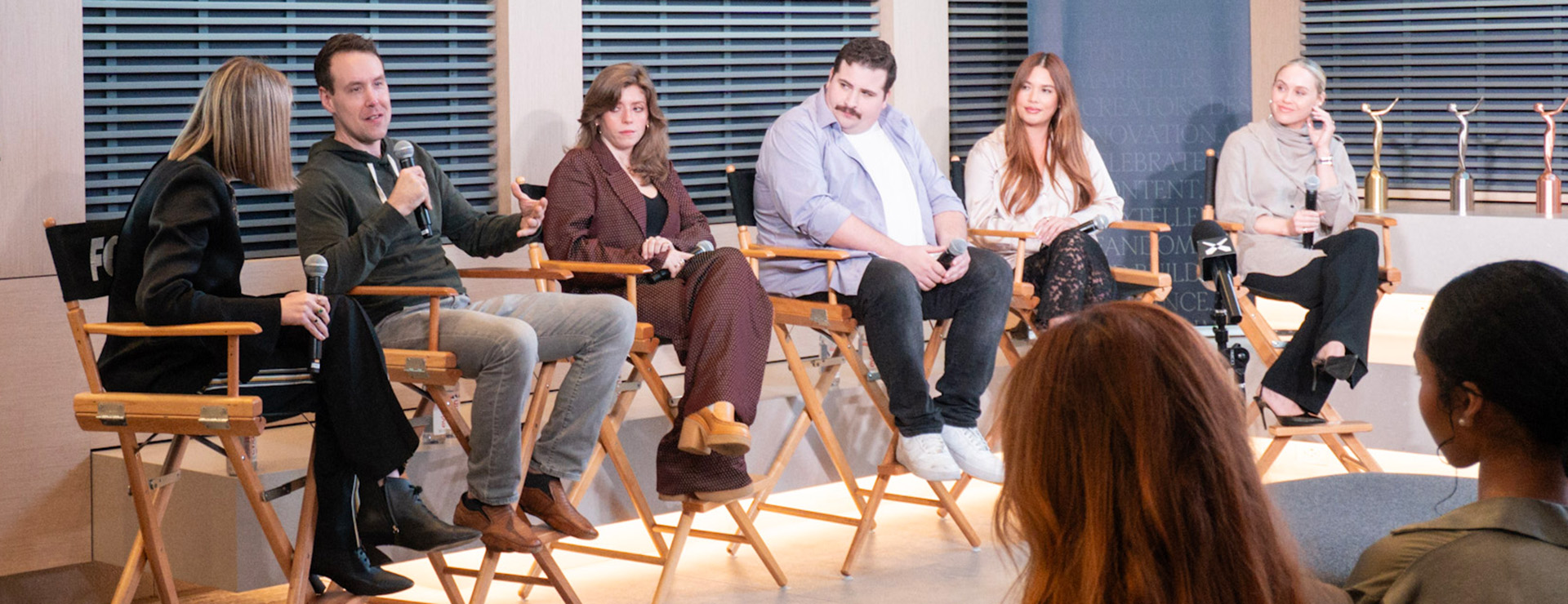
And it’s not just a matter of sifting through their analytics and engagement metrics day after day – although they do that, too – it’s more about developing such close relationships with their core viewership that they intuitively know what it is they want to see, said a panel of creators at GEMA Night in Los Angeles Thursday, February 26.
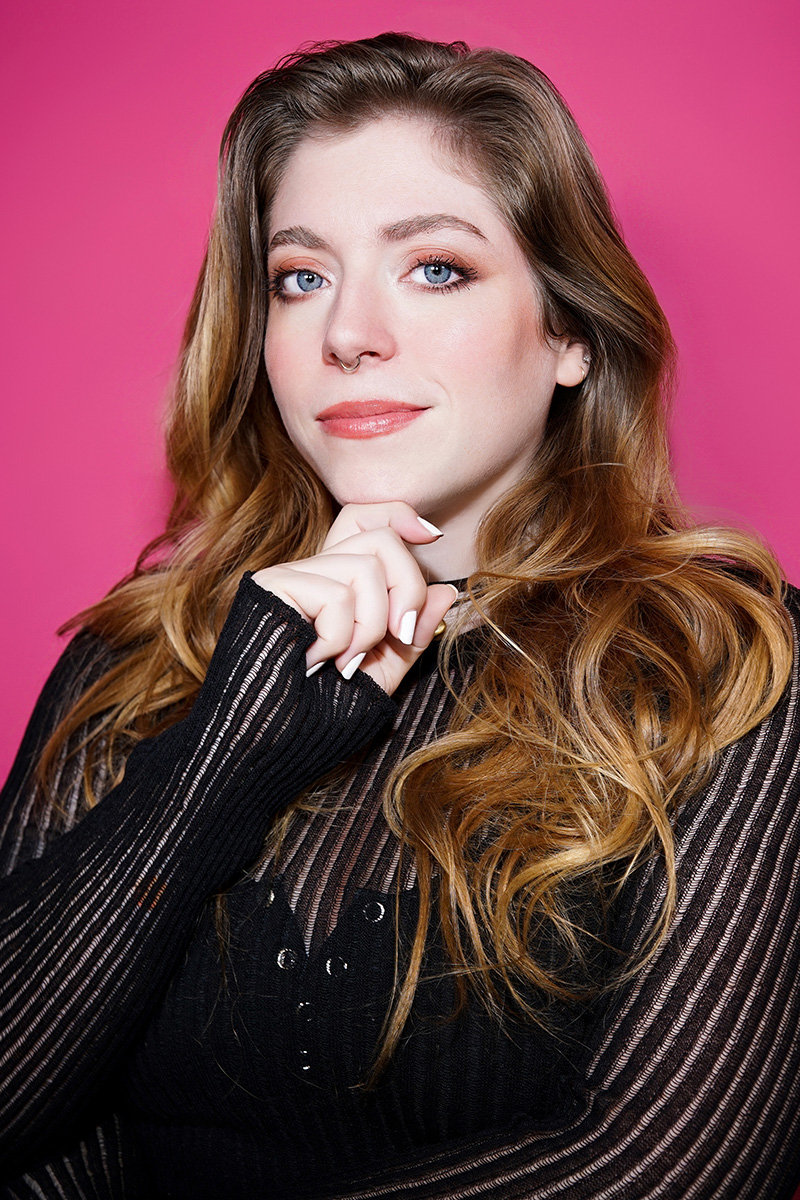
For example, content creator and podcaster Megan Cruz – also known as @Jstoobs – discusses and reviews TV shows and films on YouTube, TikTok and Instagram. One movie that she didn’t rush to talk about was last year’s Eddington, starring Joaquin Phoenix, Emma Stone, Pedro Pascal and Austin Butler and set during the COVID-19 pandemic. Cruz wasn’t finding that people liked the movie so she didn’t rush to see it, but “people kept asking me to review it,” she said. So finally she did even though she didn’t think there would be much demand for it.
“By every metric possible that video should have done terribly,” Cruz said. “It was like 10 minutes long and this was like a year ago, before I got used to making slightly longer form content on a short-form platform. It was about a movie that wasn’t even current, that had already had a full wave of discourse. Part of the reason I felt safe putting this controversial opinion out there was because I didn’t think it was going to go very far.
“But the video did crazy numbers. What I’m trying to say is trust that the person is going to know best how to activate their audience. A lot of times it might seem on paper like it’s not the right move, but it’s surprising how many times something like this has happened to me.”
“I think it really comes down to just [having] a really strong point of view,” agreed Becca Tobin, an actress, creator and co-host of the LadyGang comedy podcast. “Any influencer, content creator, whoever you're working with, is not there to please. I mean, I spoke out. I said the Taylor Swift concert was too long. And you know what, I got a lot of views on that video because people watched it and sent it to their friends because they were either plotting my death, or they were sending it to their friends and reposting because they agreed with me.”
Pivoting Into Their Audiences
Creators also have the benefit of being able to ask their audiences what they want to see, like a sort of real-time focus group. They can take chances on new offerings and then pivot quickly if they need to. That’s different from traditional media, which still launches content without really knowing how it’s going to be received. Traditional media also doesn’t have the ability to pivot on the fly if content isn’t working.
.jpg)
“There’s a degree of comfort that comes with a platform. It’s habit-forming when you are watching a YouTube channel consistently. Your channels become that thing for people where they’re waiting and looking [for new content],” said Michael Tessler, CEO of Multihouse and a contributor to YouTube reaction channel Reel Rejects.
Reel Rejects just launched a gaming side, testing coverage of the Prime Video series Fallout, based on the video game of the same name. Instead of planning and launching the new channel, Reel Rejects was able to continually check in with its community to make sure they were providing content the community wanted.
“In that process, we are proving that our audience does have an interest in us covering that sort of gaming content. Now we’re asking, how would you all feel if we started playing Fallout together? Now that the show is over, they are hungry for more content but they have to wait another year until the next season of Fallout. But now we get to make videos of a game that came out 20 years ago that are going to generate just as many views,” Tesla said.
Customizing Their Content
Reel Rejects operates primarily on YouTube, but other creators take a more multiplatform approach. For creators that choose to go that way, it’s important that the content is customized to each platform.
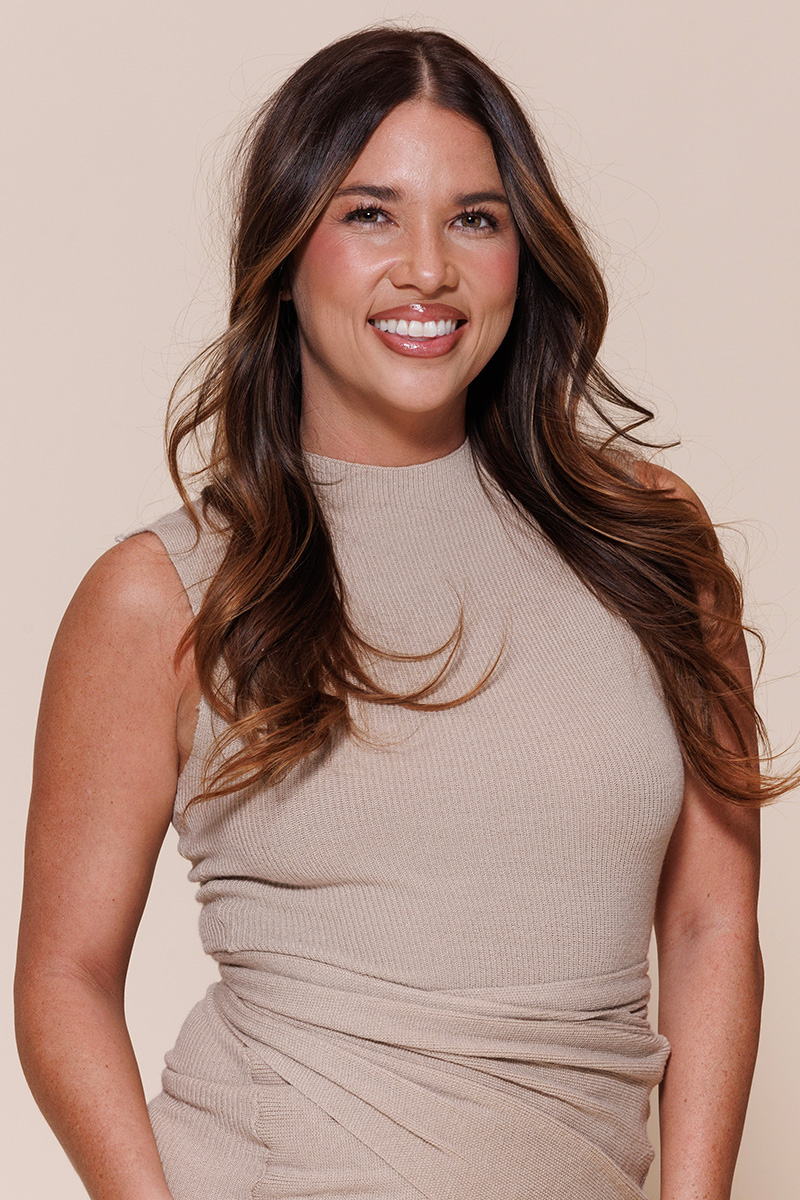
“You want to be able to give your audience different content on each platform, because why would they go follow you on Instagram if it's the same video that they're getting on Tiktok or on YouTube Shorts,” said Hannah Kosh, who has 1.2 million followers on TikTok and 300,000 on Instagram. "For me, it's being able to figure out the different ways each platform has their quirks and niches if you’re going to ask them to follow you on different platforms.”
When broadcast TV was the only game in town, the secret of to hosting a successful daytime talk show was that it was about the audience wanting to hang out for an hour each weekday with their parasocial friend, whether that was Oprah Winfrey or Ellen DeGeneres or Kelly Ripa or Kelly Clarkson. Now audiences looking for that type of connection have moved their allegiances away from TV to always-on social media, where they have the opportunity to interact as well as watch. The desire for connection is the same, regardless of the platform. It’s the strength of those connections that brands want to be a part of.
“We went to some of our partner brands immediately with no data behind this new concept other than that we know our audience likes video games and we know they like it when we react to film and television. And we’ve already locked two really great brand deals before the first episode has even dropped. Part of that is the trust and the relationships with brands that we already had,” said Tessler.
Moving at the Speed of Culture
Long-established premium brands typically take a longer path between creative conception and deployment, and that can make working with creators feel risky for them.
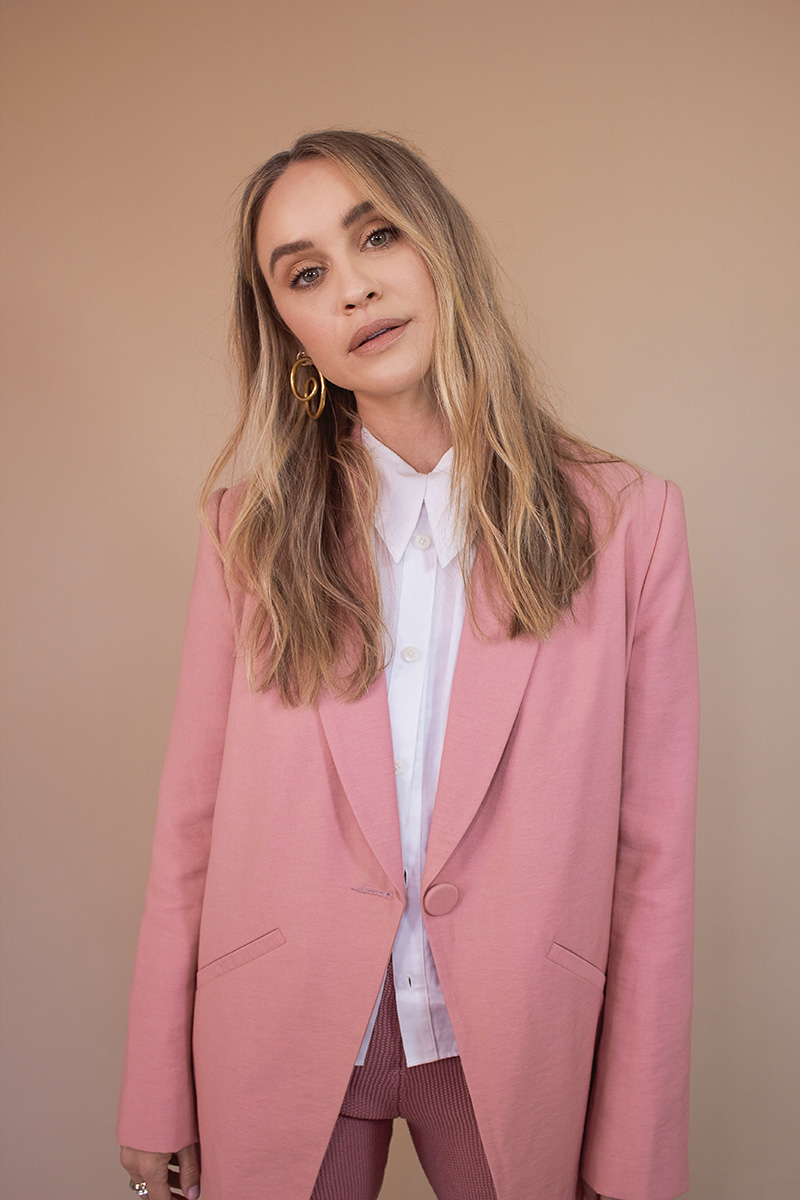
“You collaborate [with brands and studios] a lot, but you move at different speeds. The studio side moves at the speed of data, marketing, trends, approvals – you know, guardrails. You guys move at the speed of culture,” said panel moderator Irina Shames, who has spent most of her career working in the creator economy.
“It's a marriage, and it's a compromise, because the approvals and the pace at which studios work, they have worked at for a really long time, and they exist for a reason,” said Tobin. “There's a lot more riding on the studio than usually on the independent creator. We can clean up our messes quite quickly.”
What’s more, brands have to remember that working with creators – just like working with journalists – means giving up a bit of control.
“The most valuable thing I offer is the fact that my audience believes that I am giving my true opinion about things,” said Cruz.
“Bad attention from creators where they're not liking the piece exactly as the way that you intended isn't necessarily bad. It doesn't necessarily mean that your film or your show is going to perform poorly. If anything, it starts a conversation and piques interest, and a divisive internet is very good for the bottom line,” said Tessler.
And for creators, relationships with brands – no matter how slow-moving – are just as important as relationships with their audiences.
“It’s a two-way street. When everyone's working together, I feel like that's when the best partnerships happen,” said Kosh. “When trust builds, you can continue to work with the same people, the same agencies, over and over again."
Social Media as 'Cultural Atlas'
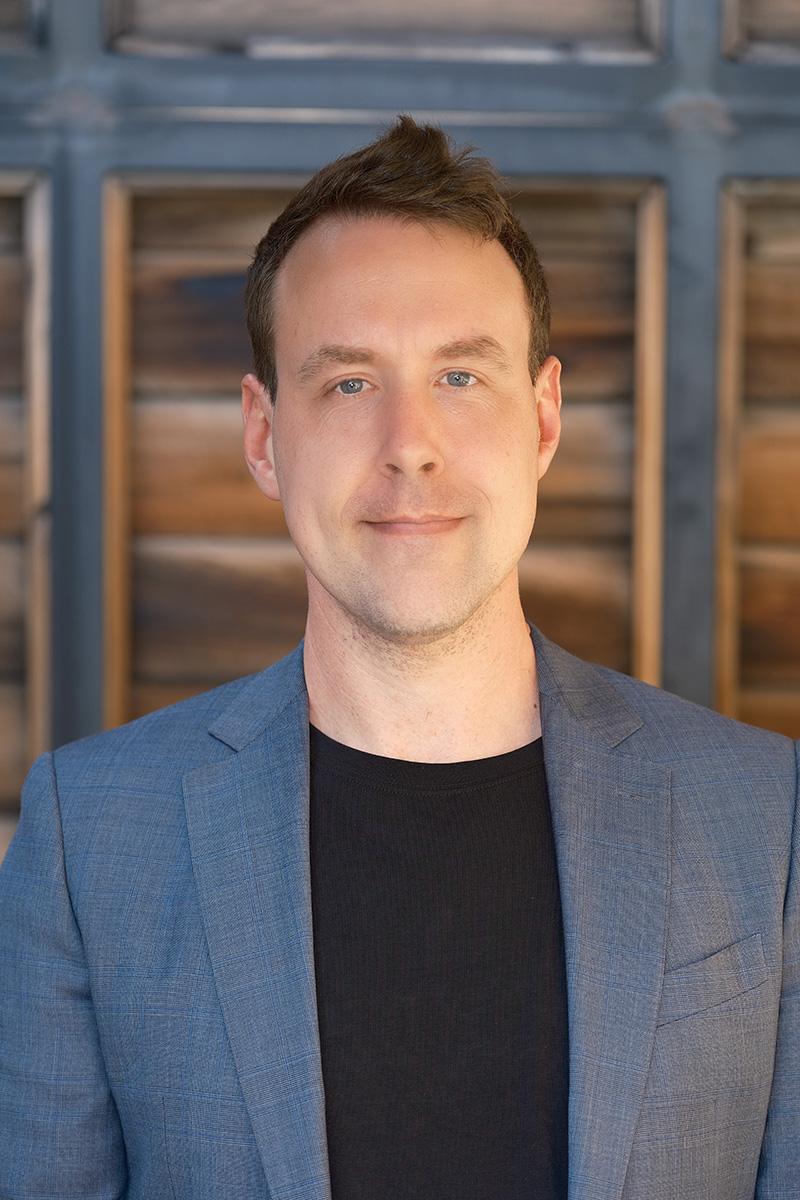
While creators have learned to trust their gut when it comes to reaching their audiences, they could still use more help when it comes to wading through the morass of data that is the open internet. That’s what San Francisco-based Chronicle Studios has been built to do, said the company’s founder, Aaron Sisto.
“I view social these days as kind of a cultural atlas. It’s a proxy for what people are actually doing and thinking,” he said. “One of the first things we did at our company was analyze over 99% of all viewing data on YouTube. That told us that there’s a massive ocean of activity out there and no single person can stay on top of that. The only way I think you can get ahead of the data to understand how the algorithm is interacting with your content and how you reach your audience, is by summarizing all of that information every single day in real time and then using tools like we’re building to go out and bypass the algorithm and test your content with target audiences.”
Platform algorithms are much like corporate human relations departments – not there to help employees but instead to protect their corporate parent. Algorithms exist to drive traffic for the platforms and if a creator's content fits that bill, the algorithm will drive viewers there.
“The thing we realized very quickly is that the platforms were not built for creators,” Sisto said. “They rely on creators but the algorithm was never built to help you promote your latest video. It’s built to satisfy an audience in any way it can. What we want to introduce are ways to find the right information to guide every creator to find their audience and provide a baseline of support.”
Ultimately, the most successful content creators continue to build their relationships with their audiences, offering a level of real-time connection and feedback that traditional media would love to be able to match. While creators must navigate partnerships with brands used to operating in more traditional spaces, authenticity and the trust of their audiences are still their most valuable assets.