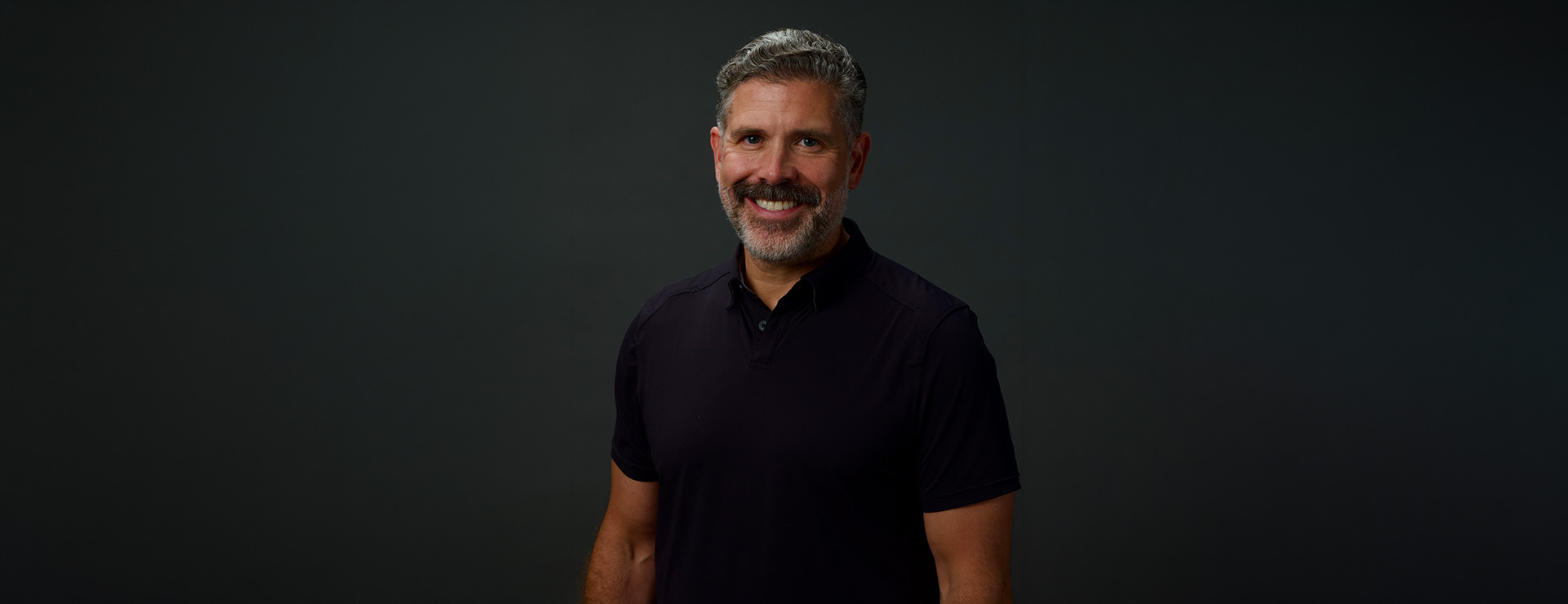

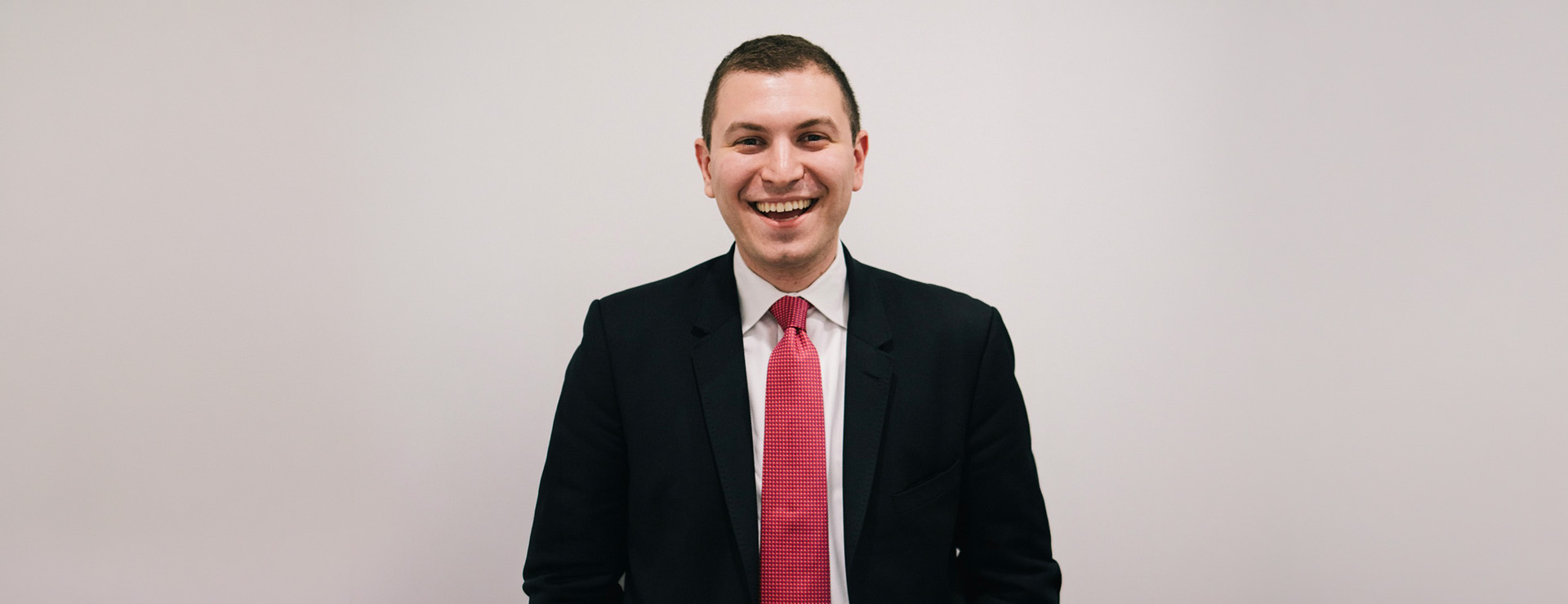
Phil Schermer was a chief of staff to high-level executives at the elite financial management firm BlackRock when he first became aware of the song, 1-800-273-8255, by the rapper Logic. The title of the song is the number to the National Suicide Prevention Hotline.
Schermer learned that the song had radically driven up calls to the hotline, potentially saving thousands of lives. That gave him an idea: “The suicide hotline was a product or service, the song was its marketing campaign, and the net result was this massive increase in call volume that was sustained over long periods of time,” Schermer said in an interview.
That led him to found Project Healthy Minds, an aggregator online marketplace for mental health services. Having partnered on s that featured such stars as Becky G, Demi Lovato and Daniel Radcliffe to great success, Schermer is ready to take things to the next level.
“The strategy question is how do we scale from serving hundreds of thousands of people a year to serving millions of people a year?” he said.
In May, Project Healthy Minds announced the launch of its CMO Council, which is loaded with top-level marketing executives from such companies as the NBA, NFL, PepsiCo, The Walt Disney Company, Supergoop! and many more.
But because some is never enough for a go-getter like Schermer, he’s still looking for folks to raise their hands to help. Those interested can reach out to him at phil@projecthealthyminds.com.
Schermer joined Spotlight to chat about his vision for Project Healthy Minds and for accessible mental health care for everyone.
Spotlight: Tell me what Project Healthy Minds is and what led you to found it.
Phillip Schermer, founder and CEO, Project Healthy Minds: Project Healthy Minds is a tech-driven mental health nonprofit. The whole idea is like an Open Table or Expedia, but for finding mental health care. We have all of these aggregators and marketplaces that make things like booking a restaurant reservation, booking a hotel or booking a car rental easier, but the same is not true for mental health. It’s hard to find the right mental health support in America, whether you want a therapist, a psychiatrist, a support group, a peer-to-peer service, a crisis line, an eating disorder clinic, or a substance use service.
The whole vision was there should be a front door on the internet for finding mental health services. It should be free to the public, basically a public utility on the internet for finding mental health support. It's sort of a tech startup, but in a 501c3 not-for-profit way.
Spotlight: What was in your background that led you to this?
Schermer: I had spent the previous eight and a half years at BlackRock. I was the chief of staff to the vice chairman, and then to the CMO. The origin of all of this is 15 years ago, when I was a student at the University of Michigan, I started a music festival that was combined with a nonprofit incubator, where the money from the festival was used to seed fund nonprofit startups. It's not Coachella or Lollapalooza, but it's like a 10,000 person festival. The headliners of it have been J Cole, Migos, 2 Chainz and Common. That’s why the story for Project Healthy Mind begins around music.
Six and a half years ago, I was at a breakfast with two friends of mine who manage a bunch of well-known musicians, one of whom is the hip-hop artist Logic. They told me a story over breakfast that led to the inspiration for Project Healthy Minds.
Logic released a song in April 2017. The title of the song is the phone number of the National Suicide Prevention Hotline. The song was about his own struggle with his mental health, rooted in the fact that he's biracial, so he had always struggled with a sense of identity and belonging. That's what inspired him to write the song.
The song went seven times platinum and was nominated for two Grammys, but perhaps even more importantly, the day the song was released, the suicide hotline saw the second highest call volume in its history, behind the death of Robin Williams. A few months later, Logic performed the song at the MTV Video Music Awards and there was a 50% spike in call volume to the hotline.
A few months after that, he performed the song as the closing set at the Grammys. There was a 300% spike in call volume to the hotline. When he hit the one-year mark of the song being released in April 2018, the hotline published a report showing the call volume was up 30% year-over-year since the day the song had been released.
Years later, there were studies published in the British Medical Journal showing it wasn't just an increase in call volume, it had led to a statistically significant number of lives saved.
They tell me the story and I'm blown away by it all. My big takeaway was that I was at BlackRock, I was building this fintech, and I was spending all my time thinking about building software products and driving adoption of software as a service products. When my friends told me the story, the way I heard it was that the song was driving adoption of the suicide hotline. It was like the suicide hotline was a product or service, the song was its marketing campaign, and the net result was this massive increase in call volume that was sustained over long periods of time.
I felt like if this song could defy the laws of gravity of our compressed attention spans, there's something bigger here. I started to dig into the issue, and the more I dug, the more I came to learn. You basically have 65 million Americans with a mental health condition. Some 60% of them – six out of 10 – never get any form of care in their lifetimes. For the 40% who do get care, it takes more than 11 years on average between symptom onset and when you get help for the first time. So you're either in the 60% bucket, who get nothing, or you're in the lucky bucket, but it takes more than a decade to get care.
So, what are the barriers in the user journey? All of the literature shows the first two barriers are one, stigma, and two, it's very difficult to find the right mental health support once you get the results and go out to find help. The whole idea of Logic’s song was an amazing public health case study for how you expand access to care, because it addressed both barriers: one, a role model is effectively coming out of the closet, and his own mental health journey was creating the permission structure for others to do the same, destigmatizing the issue; and two, by making the title of the song the phone number of the hotline, it solves the problem of discovery. It gave people somewhere to go, and the net result was this big increase of people actually accessing the service.
I wanted to take those underlying dynamics and apply it not just to suicide prevention but to all of mental health. If you took the aggregator online marketplace model like Open Table and applied it to mental health services so that you had all the different types of mental health support, that would be your digital triage unit. Then you go and partner with culture-makers like Logic, like Demi Lovato, like Daniel Radcliffe, and they become the modern messengers who inspire people to go seek help. Their platforms have been the platforms that route people to the right care.
Spotlight: How were you able to take that model and expand it to the likes of Demi Lovato and Daniel Radcliffe?
Schermer: The lesson of Logic’s song is that when role models come out about their own mental health journey, and shine a light on the issue, it inspires the people who look up to them to reach out and seek help for themselves. The lesson of Logic is that he releases the songs, and then there's this big increase in call volume to the hotline. We wanted to replicate that for every community.
Daniel Radcliffe returned to Broadway to star in a 12-week run of Every Brilliant Thing, for which he was nominated for a Tony. Project Healthy Minds was the impact partner on that show. In every playbill across the entire course of the run, there was an insert that says if you need mental health support, if the show inspires you to seek care, go to our partners at Project Healthy Minds, and here's a QR code. It drives people to our platform, and 1000s of people have used it to find care. I've been getting letters every week from people who have been inspired by it.
Demi Lovato has a documentary that is streaming on Hulu and Disney+ called Child Star. Becky G has a documentary that came out on Netflix called Rebbeca. We're the partners on those as well. In both of those, they're talking about their mental-health journey. The idea is we want to tap into the power of culture-makers to inspire people to seek help.
Spotlight: Were you partners with those s prior to establishing the CMO Council, or did those things happen in tandem?
Schermer: The CMO Council is separate. We're launching this council now. Here's why we need the CMO Council: We're very proud of the fact that we've served more than a half-million unique people at this stage of the organization, but the goal is to scale into the millions, because the demand is high.
There was a study that came out in The Lancet a week ago that shows people worldwide struggling with their mental health has doubled from 600 million to 1.2 billion. The point of the story is that the need and the demand for mental health support is growing tremendously, and we have to be able to scale. The challenge that we face is we're not a for-profit, we're not a technology consumer tech company, we're not a CPG brand. We're a nonprofit, we'll never have a marketing budget. The strategy question is how do we scale from serving hundreds of thousands of people a year to serving millions of people a year?
Capital is our constraint, so my thesis was: if we can recruit some of the top marketers in the US to join this council, they can help us with advice and help us build partnerships to allow us to scale.
Spotlight: Backing up a bit, how were you able to put all of those partnerships together?
Schermer: Hustle. But also in all three of those examples we were really lucky, they reached out to us, and said ‘we’re the management teams for Demi or for Becky G, as the case may be, and we have a documentary that's coming out in a couple months and we really want to work with a mental health nonprofit partner. We did some research, we learned about the work you're doing.’
It fits in really beautifully, because we think that when people hear the story of Becky G or Demi Lovato or Daniel Radcliffe, they're going to be inspired to want to go seek help for themselves or for someone they love. We want to direct people to a place where they can go to find help. When someone asks, ‘would you be open to partnering with us?’ Our answer is always ‘hell, yes.’
Spotlight: How long has the CMO Council been in the works? How difficult was it to recruit these busy people to come be on this council with you?
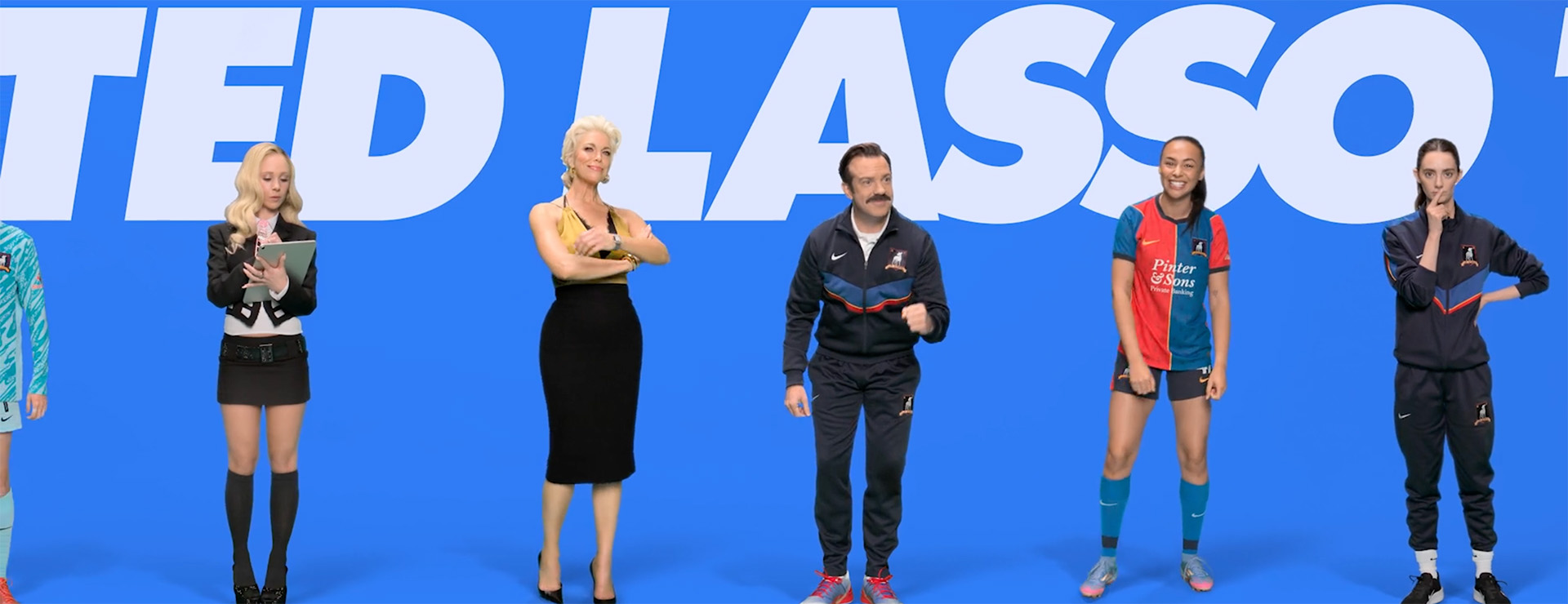
Schermer: We worked on it for a couple months, and literally almost every single person we met said yes. There was one person who had a time conflict. I think what that speaks to is this idea that no matter how important or powerful you are, every family in some way is impacted by mental health. If you look at popular culture right now, whether it's Shrinking, whether it's Ted Lasso, whether it's Jay-Z talking about mental health, whether it's musicians, whether it's in fashion or art, it’s everywhere in pop culture. It's why every brand is trying to connect their brand strategy to well-being in some way.
I remember reading an article in the Wall Street Journal, like, three years ago. It was a profile of how the auto-makers are changing their lighting and audio in the cars, so they are less harsh and create a greater sense of well-being and lower stress for drivers. I remember reading that article, and thinking to myself, ‘Holy crap, if the Wall Street Journal is writing an article about the Big Three changing the lighting design and the audio in cars, so that it is less stress-inducing, that's a sign of the times of just how profound this cultural mega-trend is and therefore why every brand is trying to connect their work to this topic.’
Spotlight: Do you have a sense of why people are struggling so much with their mental health right now, especially when you said that globally it’s doubled in recent years?
Schermer: There are many parts to the answer.One part is that our digital addictions are not healthy. Most profoundly, that’s because we've displaced time that we used to spend in person with people, and instead now spend that time by ourselves passively scrolling on a phone. It's not necessarily the strongest evidence that just consuming social media is a problem, but it's the drop in the amount of time that you spend in person with friends and people you love that's the problem. That creates an enormous issue.
Another part of it is that we now live in a 24/7 information ecosystem. Whenever anything happens anywhere around the world, you can see photos, you can see videos. That's incredibly stress-inducing. You also have a younger generation that, because they grew up with their phones attached to their faces, their mental health is terrible. I also think the pandemic was hard on people and changed some things for the worse.
Mental health issues have always been around, but they were stigmatized so that nobody felt comfortable talking about it. And there's another dynamic here, which is that as people become more comfortable talking about mental health, some people may think that the prevalence of this issue is growing, and actually this issue always existed. People just didn't talk about it before, so you never heard about it.
Spotlight: As someone who has a financial background and worked in fintech, do you find that’s a helpful skill set to bring to a nonprofit like this?
Schermer: I basically looked at how BlackRock runs as a business, and I've tried to learn from that and apply that in every part of Project Healthy Minds. I want to bring the private sector ethos of speed and strategy and sophistication to addressing one of the most urgent issues of our time. It’s combining the speed of a tech startup with the mission of a nonprofit.
Spotlight: Going back to the CMO Council, since that's the news here, is there anything in the works with the CMO Council that you can talk about or is it too soon for that?
Schermer: What I can tell you is we had our kickoff a couple of weeks ago, and the list of next steps that people committed to help with was about twice as long as the number of people in the room, so we are excited about what is going to come out of it.
Spotlight: Are you finding that because you’ve got CMOs from the NBA, the NFL, Disney and so forth, that that’s bringing more people out? Is there a point at which you say, I've got all the people I need?
Schermer: No, we want more, and my hope is that someone will be inspired by this story and raise their hand and say, ‘I want to get involved as well.’ Anyone who works at this level and who is interested can reach out to me: phil@projecthealthyminds.com.
Spotlight: Thank you so much for your time! I hope you find all the CMOs you need to get this work done.