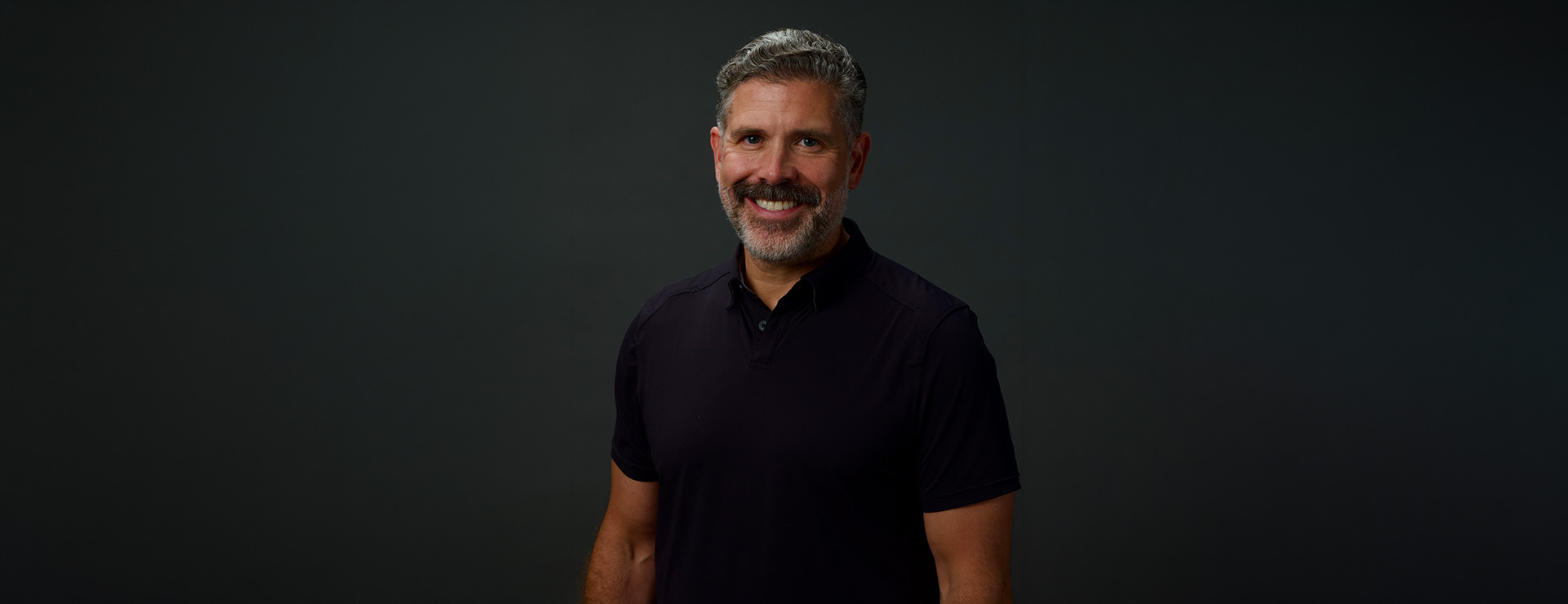


Very few people have had as close of a ringside seat to the true-crime podcast boom as Vanessa Richardson, host of such Pave Studios’ podcasts as Serial Killers & Murderous Minds alongside Dr. Tristin Engels; Conspiracy Theories, Cults & Crimes; and A&E's History's Greatest Mysteries. In fact, her Instagram handle is @thevoiceoftruecrime.
She came to true crime by way of improvisational comedy. A decade ago, Parcast (and, more recently, Pave Studios) founder Max Cutler saw her performing with the Groundlings and invited her in for an audition. She took hold of the opportunity, pivoted into podcasting and never looked back.
Richardson chatted with Spotlight by email about what she loves about talking true crime, why she thinks audiences stay so tuned into it and how best to reach and grow audiences in the genre.
Spotlight: What originally got you into true crime podcasting? Were you doing it before it became this hugely popular genre?
Vanessa Richardson, podcaster: I come from a long line of storytellers; it’s in my blood. I had been working as a narrator and voice actor for about a decade, voicing commercials and animated characters and narrating true-crime documentaries before I even knew what a podcast was!
I had the good fortune of joining Max Cutler’s first company, Parcast, in 2016, right as the true-crime podcast boom was starting. I’ve always loved the psychology of true crime and the podcast format lets me combine narration/storytelling skills with subject matter I find genuinely compelling. And now with podcasts increasingly moving to video, it has opened up a new dimension to my career.
Spotlight: How did you pair up with Parcast and Max Cutler and then Pave Studios and Crime House?
Richardson: [I was in the] right place at the right time. I was performing in an improv show at the Groundlings and Max was in the audience. I got a call to do an audition – Max was looking for voice actors when he first launched Parcast. I landed the co-host role at Serial Killers and stayed in that role for seven years. After that, I reconnected with Max’s new venture, Pave Studios, and joined Crime House as it launched its original true-crime programming. I’m grateful for all of it.
Spotlight: What is it about true crime that you find fascinating? How do you keep finding new ways to tell these stories that keep audiences engaged?
Richardson: My interest in true crime lies more in the psychology and what leads someone to commit such horrible crimes and cross that invisible moral line. I like to focus on the victim and, as I tell the stories, I’m thinking about the viewer or listener taking in the information. I've loved the opportunity to work with forensic psychologist Dr. Tristin Engels on Serial Killers & Murderous Minds. We take our audience past the narrative and dig into the ‘why.’ I don't know of another true crime show that does what we do. Dr. Engels' psychological input definitely keeps it fresh! I learn something in every episode, even after a decade of covering these stories. It’s also hard to believe that there are so many stories to cover but we are always covering new ones and they are all so fascinating and unpredictable.
Spotlight: Why do you think people – and especially women 25-54 – love true crime so much? What do you think it is about true crime in our culture that keeps people so engaged with it?
Richardson: I love this question! It comes up a lot… I believe that women (especially 25 - 54) are looking for ways to keep themselves safe. We’re fascinated psychologically by violent offenders and we want to understand what makes people capable of doing harm to another human. It’s also a way to process fear and gain a sense of control. We want to solve the puzzle – learn HOW the offender was caught. We love hearing about justice for the victims (who are more often than not women themselves). We're also driven by our communities -- these shows become social, not just solitary experiences, and there's a lot of shared conversation around true crime and safety. I also believe that the true-crime community (people interested in this genre) are some of the most kind, empathetic people out there. We care about humans, we want to see the good in people and understand the darkness so we can avoid it (and if we are parents, we want to know how to raise good humans!) and bring more light into this world.
Spotlight: Why do you think people feel like your voice in particular works well in this genre?
Richardson: Part of it is in the genes – my father is a singer and my mom has a very soothing voice. I also have a background as a trained actor. That has helped me be able to deliver a controlled, warm presentation while still holding the tone appropriate for true-crime content without becoming sensational or over the top. I am also bilingual, I was born in South America and spoke both Spanish and English growing up, and I was also raised around a lot of music which I believe also trained my ear to understand and build range in tonal shifts and helped me tap into empathy. I'm very fortunate, and grateful, that audiences have followed me across shows for years, which builds connection and trust.
Spotlight: Why do you think podcasts lend themselves so well to telling true-crime stories?
Richardson: Most of the time, people are watching alone on a device, or listening in the car, with their earpods in, which are very intimate experiences. It’s just me and them; I tell them the story directly (or, in the case of Serial Killers & Murderous Minds Dr. Engels and I do). There’s also a huge community in podcasting that goes hand in hand with social media and many discussions happen in online forums and platforms. I also love that the on-the-go consumption fits how a lot of people live and allows them to connect with the content throughout their day, not just when they can get in front of a TV screen.
Spotlight: Podcasts are now videocasts. What in your mind makes them different from traditional TV shows? Did you ever resist being on video or were you always fine with your work being available in both audio and video formats? Obviously, Spotify has bought podcast platforms like The Ringer and Parcast while Netflix is adding podcasts as well. How broad do you think true-crime podcast distribution can get – will it ever come full circle and end up back on traditional TV?
Richardson: I am a fan of the evolution of podcasting into video. It does add a layer that brings in a younger generation and gives another layer of connection to the shows. I see streaming services like Netflix adding video podcasts and I know it’s still growing into a more TV-adjacent format, but I do think audio-first will remain core to true crime’s identity. (That could be because I’ve been doing it this way for over a decade!) Though I do believe change is good and I’m excited to have added video to my show Conspiracy Theories, Cults & Crimes.
Spotlight: What do you think works particularly well when it comes to marketing true-crime podcasts? What gets the word out and brings in more audience?
Richardson: I think cross promotion and collaboration works well – audiences don't always branch out or explore on their own since there is such a plethora of true-crime content out there, but if they hear about something from someone they trust, they are more likely to check it out and stay if they enjoy the content. There’s a lot to be said about clip-based social content (compelling case moments, cliffhangers) which drives discovery on TikTok, Instagram and YouTube Shorts. Community engagement on those posts is also very important for growing a community and a fan base.
Spotlight: What could the industry do better in terms of marketing?
Richardson: The million dollar question! I think that knowing your audience is key. Most of our audience is women 25 - 54 (as mentioned earlier) but we need to appeal to everyone. Sticking to facts in a case and keeping the humanity of the show, rather than banking on sensationalism will appeal to more true-crime fans. The true-crime community is massive, committed and very loyal. True crime is one of the most consumed podcast genres that exists. I also believe it doesn't matter whether you create original content specific to social media or put out trailer clips cut from an episode, as long as it’s interesting, honest and hooks the audience, it will work.
Spotlight: How much do you interact with your audience? What do you like about having that opportunity (assuming that you do like it)?
Richardson: I love interacting with people on social media! I remember in the beginning feeling like I was speaking into a void, not knowing who was listening. Then I would meet fans and realize what an impact the show was having. I also appreciate those who’ve followed me across multiple shows over the years. We want them to become more involved in the storytelling process. Audience feedback, requests for cases to cover and fan reactions are important and help shape what we decide to tackle next.
Spotlight: How do you keep your true-crime podcasts top of mind when there are so many to compete against?
Richardson: Three things. The first is technical – high-level production with sound design and pleasant voices that are authentic and genuine – it has to sound and look good.
Second, it has to be consistent – the writing and research are consistently thorough in every episode and the format remains the same. Audiences like to know what to expect.
Third, leaning into what makes our show(s) different from any others out there – the psychology angle for Serial Killers & Murderous Minds or the conspiracy angle for Conspiracy Theories, Cults & Crimes.
One more thing: engaging with the audience on platforms or social media builds the community and helps stay top of mind!
Spotlight: You are already doing several podcasts but do you have any projects coming up that you would like to mention?
Richardson: I’m excited about a couple of new shows debuting soon! A+E’s History’s Greatest Mysteries and A+E’s Celebrity Ghost Stories (my favorite season is spooky season!). I’m also working on a book I hope to have published by the end of this year… more on that later.
Vanessa Richardson is an award-winning bilingual voice actor and true crime podcaster born in Medellín, Colombia, with over two decades of professional experience spanning narration, audiobooks, commercials, and character voiceover. She is the original host of Parcast's Serial Killers, one of Spotify's best-performing true-crime podcasts. A trained improvisational actor who has performed alongside the likes of Carter Roy, she brings a rare combination of precision and presence to everything she narrates. At Pave Studios she now hosts: Serial Killers & Murderous Minds alongside Dr. Tristin Engels, Conspiracy Theories, Cults & Crimes; and A&E's History's Greatest Mysteries.